

Exercise Physiology & Physiotherapy
Helping people harness the medicinal benefits of exercise
Exercise Physiology & Physiotherapy
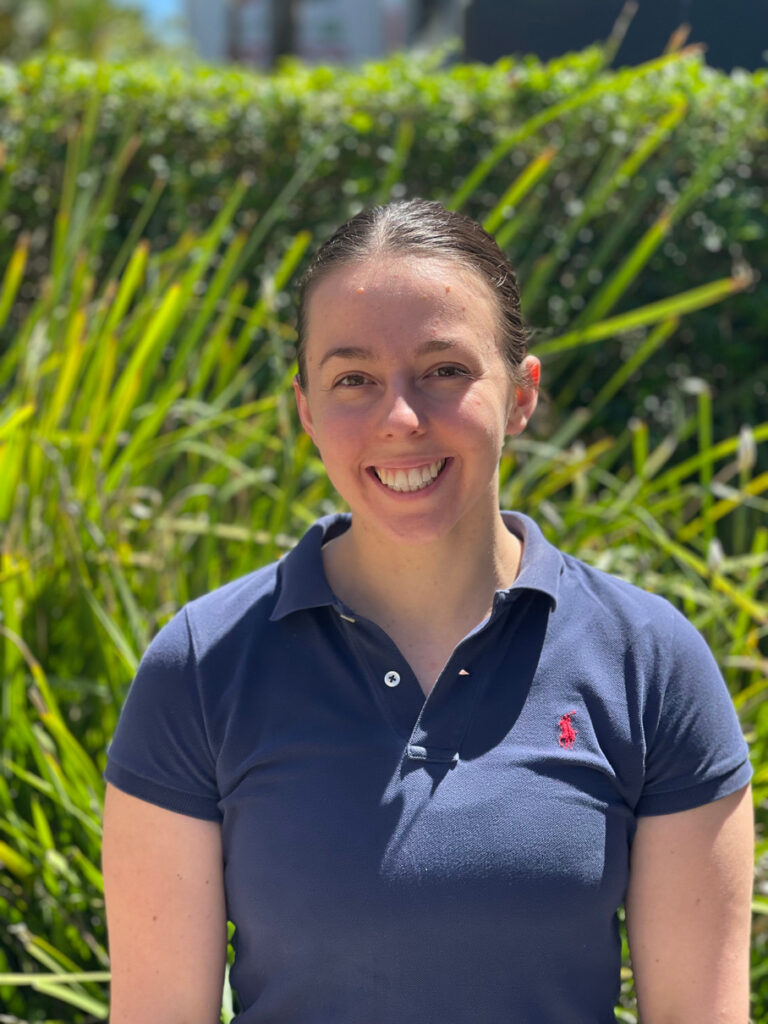
Our Exercise physiologists are allied health professionals with the knowledge, skills, and competencies to develop, deliver and evaluate safe and effective exercise interventions for people with acute, subacute and chronic medical conditions, injuries or disabilities.
Some of those conditions include (but are not limited to) people with cardiovascular, metabolic, neurological, musculoskeletal, kidney, respiratory/pulmonary and mental health-related presentations. Our Exercise Physiologists are passionate about helping people
harness the medicinal benefits of exercise.

Exercise Physiology – FAQ’s & Myths
Exercise must hurt to be beneficial.
Err, no, it doesn’t. It’s the opposite. The best benefits come from following a progressive plan specifically designed for you. This is a plan that challenges the physiological processes we are targeting without leaving you smashed for the rest of your day.
Muscle soreness is a sign of a good session.
Err, for the most part, no. Muscle soreness indicates that the muscles are sore. This is relatively easy to induce and is generally more common when you do unaccustomed movements. However, the goal is a beneficial training session and not muscle soreness.
Exercise is vital to weight loss.
This is more nuanced. Exercise is vital to good health and wellness; for these reasons, it is an essential component of weight loss. However, sustained weight loss and optimal health require close attention to nutrition and behavioural change. You must exercise long and hard to get the benefits. No. You must follow an intelligent exercise plan that is specific to your goals. Consistently.Over time.
Lifting weights will give me big muscles, and I don’t want bigger muscles!
It would be great if this were true. The truth is that we lose a substantial percentage of our muscle mass as we age. Loss of muscle mass as we age is a substantial contributing factor to reduced health and wellness. Put more positively, there are substantial health and wellness benefits to getting stronger and maintaining muscle mass as we age.
It’s all about cardio!
Endurance is important. However, good evidence suggests that moving better and getting stronger are at least as crucial for many people. All cardio and no strength is sub-optimal.
I do yoga/pilates; that’s all I need, right?
Erm, no, at least not for optimal health and wellness. To be clear, there are many benefits to yoga and pilates. However, neither develops all the physiological capacities required for optimal health.
I need to do more core!
Possibly. A solid, functional, integrated core is essential. The thing is, most people would benefit from developing their deep system. This system is not easily accessed using sit-ups, crunches, planks, burpees, and other prescribed exercises.
What’s the critical difference between an Exercise Physiologist and a Physiotherapist?
There is some overlap, but in general, Exercise Physiologists specialise in prescribing exercise and movement programs to improve your mental and physical well-being, whereas Physiotherapists treat injuries.